¿Qué escuchas? [Parte 2] (839 respuestas)
1 : Veni, VIP, vici : 16/08/19(vie)11:10:31
El primer hilo alcanzó las 1000 respuestas después de 2 años, empiezo uno nuevo con esta canción:
 Jun Togawa - Teinen Pushiganga (English Subs) (???)
Laura Palmer
Jun Togawa - Teinen Pushiganga (English Subs) (???)Laura Palmer
518 : DQN LIFESTYLEにVIPPERでGO! : 03/01/23(mar)03:56:00
519 : DQN LIFESTYLEにVIPPERでGO! : 03/01/23(mar)04:31:00

520 : DQN LIFESTYLEにVIPPERでGO! : 03/01/23(mar)04:39:44

521 : DQN LIFESTYLEにVIPPERでGO! : 03/01/23(mar)05:13:19

522 : DQN LIFESTYLEにVIPPERでGO! : 03/01/23(mar)05:29:30

523 : DQN LIFESTYLEにVIPPERでGO! : 03/01/23(mar)05:54:00

524 : DQN LIFESTYLEにVIPPERでGO! : 03/01/23(mar)06:45:18

525 : DQN LIFESTYLEにVIPPERでGO! : 03/01/23(mar)07:03:31

526 : DQN LIFESTYLEにVIPPERでGO! : 03/01/23(mar)13:43:37
527 : DQN LIFESTYLEにVIPPERでGO! : 03/01/23(mar)14:03:49
528 : DQN LIFESTYLEにVIPPERでGO! : 03/01/23(mar)14:11:49

529 : DQN LIFESTYLEにVIPPERでGO! : 03/01/23(mar)14:23:26

530 : DQN LIFESTYLEにVIPPERでGO! : 03/01/23(mar)14:26:42

531 : DQN LIFESTYLEにVIPPERでGO! : 03/01/23(mar)15:37:07

532 : DQN LIFESTYLEにVIPPERでGO! : 03/01/23(mar)16:24:37

533 : DQN LIFESTYLEにVIPPERでGO! : 03/01/23(mar)16:50:32

534 : DQN LIFESTYLEにVIPPERでGO! : 03/01/23(mar)16:56:58

535 : DQN LIFESTYLEにVIPPERでGO! : 03/01/23(mar)17:14:57

536 : DQN LIFESTYLEにVIPPERでGO! : 03/01/23(mar)17:46:04
537 : DQN LIFESTYLEにVIPPERでGO! : 03/01/23(mar)18:02:06

538 : DQN LIFESTYLEにVIPPERでGO! : 03/01/23(mar)18:25:23

539 : DQN LIFESTYLEにVIPPERでGO! : 03/01/23(mar)18:27:18

540 : DQN LIFESTYLEにVIPPERでGO! : 03/01/23(mar)19:11:13

541 : DQN LIFESTYLEにVIPPERでGO! : 03/01/23(mar)19:32:11

542 : DQN LIFESTYLEにVIPPERでGO! : 03/01/23(mar)19:39:26

543 : DQN LIFESTYLEにVIPPERでGO! : 03/01/23(mar)19:57:59
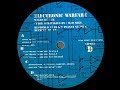
> The push towards a nationalistic sound came with the pseudo-dystopian mindset that prevailed in the Sweden of the 1960s, something that stood in dire contrast to the 'peace and love' ethos of hippy idealism. In the mid-60s, large parts of the inner city of Stockholm, the site of many houses and homes, were bulldozed to pave way for the new architectural wave of the future: towering skyscrapers, "glass and concrete". The album, with its telling opening track of Dies Irae played on horns, aims to reflect the loss of nature in the name of human advancement. Another track, "The Runcorn Report on Western Progress", was written by the group's leader, Bo Persson, and reflects a visit to Runcorn (a suburb of Liverpool), in the summer of 1951: it hadn't rained for three months, and the pollution had turned the sky yellow, blotting out the sun. To follow this theme, the group changed its name from Pärson Sound to "International Harvester", taken from the American company that manufactured agricultural machines. To quote Swedish freelance journalist Magnus Haglund, "It meant death. Death to western culture. Death to all kinds of borders."
https://en.wikipedia.org/wiki/Sov_gott_Rose-Marie
 International Harvester - Sommarlåten (The Summer Song) [Sov Gott Rose-Marie] 1968 (2:51)
Giovannino SenzaPaura
https://en.wikipedia.org/wiki/Sov_gott_Rose-Marie
International Harvester - Sommarlåten (The Summer Song) [Sov Gott Rose-Marie] 1968 (2:51)Giovannino SenzaPaura
544 : DQN LIFESTYLEにVIPPERでGO! : 03/01/23(mar)20:21:57

545 : DQN LIFESTYLEにVIPPERでGO! : 03/01/23(mar)20:59:03

546 : DQN LIFESTYLEにVIPPERでGO! : 03/01/23(mar)21:25:33

547 : DQN LIFESTYLEにVIPPERでGO! : 03/01/23(mar)21:55:36

548 : DQN LIFESTYLEにVIPPERでGO! : 03/01/23(mar)22:00:00

549 : DQN LIFESTYLEにVIPPERでGO! : 03/01/23(mar)22:05:32


550 : DQN LIFESTYLEにVIPPERでGO! : 03/01/23(mar)22:31:39

551 : DQN LIFESTYLEにVIPPERでGO! : 03/01/23(mar)22:42:00

552 : DQN LIFESTYLEにVIPPERでGO! : 03/01/23(mar)22:53:48
553 : DQN LIFESTYLEにVIPPERでGO! : 04/01/23(mie)00:24:15

554 : DQN LIFESTYLEにVIPPERでGO! : 04/01/23(mie)00:36:43

555 : DQN LIFESTYLEにVIPPERでGO! : 04/01/23(mie)14:27:26

556 : DQN LIFESTYLEにVIPPERでGO! : 04/01/23(mie)14:36:55

557 : DQN LIFESTYLEにVIPPERでGO! : 04/01/23(mie)14:43:40

558 : DQN LIFESTYLEにVIPPERでGO! : 04/01/23(mie)14:50:27
559 : DQN LIFESTYLEにVIPPERでGO! : 04/01/23(mie)14:53:20

560 : DQN LIFESTYLEにVIPPERでGO! : 04/01/23(mie)14:57:07

561 : DQN LIFESTYLEにVIPPERでGO! : 04/01/23(mie)15:01:08

562 : DQN LIFESTYLEにVIPPERでGO! : 04/01/23(mie)15:07:10

563 : DQN LIFESTYLEにVIPPERでGO! : 04/01/23(mie)15:16:32

564 : DQN LIFESTYLEにVIPPERでGO! : 04/01/23(mie)15:45:57

565 : DQN LIFESTYLEにVIPPERでGO! : 04/01/23(mie)15:50:10

566 : DQN LIFESTYLEにVIPPERでGO! : 04/01/23(mie)16:20:16

567 : DQN LIFESTYLEにVIPPERでGO! : 04/01/23(mie)17:01:07

568 : DQN LIFESTYLEにVIPPERでGO! : 04/01/23(mie)17:08:52

569 : DQN LIFESTYLEにVIPPERでGO! : 04/01/23(mie)17:22:50

570 : DQN LIFESTYLEにVIPPERでGO! : 04/01/23(mie)17:39:34

571 : DQN LIFESTYLEにVIPPERでGO! : 04/01/23(mie)20:11:47

572 : DQN LIFESTYLEにVIPPERでGO! : 04/01/23(mie)20:13:43

573 : DQN LIFESTYLEにVIPPERでGO! : 04/01/23(mie)21:00:23

574 : DQN LIFESTYLEにVIPPERでGO! : 04/01/23(mie)21:07:08
575 : DQN LIFESTYLEにVIPPERでGO! : 04/01/23(mie)21:26:00

576 : DQN LIFESTYLEにVIPPERでGO! : 04/01/23(mie)23:36:19

577 : DQN LIFESTYLEにVIPPERでGO! : 04/01/23(mie)23:42:26

578 : DQN LIFESTYLEにVIPPERでGO! : 04/01/23(mie)23:51:52

579 : DQN LIFESTYLEにVIPPERでGO! : 05/01/23(jue)00:00:23

580 : DQN LIFESTYLEにVIPPERでGO! : 05/01/23(jue)00:09:16

581 : DQN LIFESTYLEにVIPPERでGO! : 05/01/23(jue)00:16:45

582 : DQN LIFESTYLEにVIPPERでGO! : 05/01/23(jue)00:23:19

583 : DQN LIFESTYLEにVIPPERでGO! : 05/01/23(jue)00:45:23

584 : DQN LIFESTYLEにVIPPERでGO! : 05/01/23(jue)00:57:35

585 : DQN LIFESTYLEにVIPPERでGO! : 05/01/23(jue)01:10:56
Evocadando Slowdive y My Bloody Valentine
https://lacasaalmare.bandcamp.com/album/this-astro-ep
Creo que sentí el mismo sacudón al escuchar por primera vez The Sleepwalkers y Air Formation para comparar
https://lacasaalmare.bandcamp.com/album/this-astro-ep
Creo que sentí el mismo sacudón al escuchar por primera vez The Sleepwalkers y Air Formation para comparar
586 : DQN LIFESTYLEにVIPPERでGO! : 05/01/23(jue)01:12:59
*Evocando
587 : DQN LIFESTYLEにVIPPERでGO! : 05/01/23(jue)02:11:25

588 : DQN LIFESTYLEにVIPPERでGO! : 05/01/23(jue)02:22:33

589 : DQN LIFESTYLEにVIPPERでGO! : 05/01/23(jue)02:27:13

590 : DQN LIFESTYLEにVIPPERでGO! : 05/01/23(jue)02:35:45

591 : DQN LIFESTYLEにVIPPERでGO! : 05/01/23(jue)02:41:48

592 : DQN LIFESTYLEにVIPPERでGO! : 05/01/23(jue)03:03:55

593 : DQN LIFESTYLEにVIPPERでGO! : 05/01/23(jue)03:12:35

594 : DQN LIFESTYLEにVIPPERでGO! : 05/01/23(jue)03:29:29

595 : DQN LIFESTYLEにVIPPERでGO! : 05/01/23(jue)03:33:39

596 : DQN LIFESTYLEにVIPPERでGO! : 05/01/23(jue)12:33:45

597 : DQN LIFESTYLEにVIPPERでGO! : 05/01/23(jue)22:46:35

598 : DQN LIFESTYLEにVIPPERでGO! : 05/01/23(jue)22:54:08

599 : DQN LIFESTYLEにVIPPERでGO! : 05/01/23(jue)23:08:17

600 : DQN LIFESTYLEにVIPPERでGO! : 05/01/23(jue)23:22:13

601 : DQN LIFESTYLEにVIPPERでGO! : 06/01/23(vie)02:20:30

602 : DQN LIFESTYLEにVIPPERでGO! : 06/01/23(vie)15:12:46
603 : DQN LIFESTYLEにVIPPERでGO! : 06/01/23(vie)23:26:46

604 : DQN LIFESTYLEにVIPPERでGO! : 06/01/23(vie)23:35:46

605 : DQN LIFESTYLEにVIPPERでGO! : 06/01/23(vie)23:43:43
606 : DQN LIFESTYLEにVIPPERでGO! : 06/01/23(vie)23:47:55

607 : DQN LIFESTYLEにVIPPERでGO! : 06/01/23(vie)23:57:19

608 : DQN LIFESTYLEにVIPPERでGO! : 07/01/23(sab)00:27:03
609 : DQN LIFESTYLEにVIPPERでGO! : 07/01/23(sab)00:41:03

610 : DQN LIFESTYLEにVIPPERでGO! : 07/01/23(sab)15:31:20

611 : DQN LIFESTYLEにVIPPERでGO! : 07/01/23(sab)15:36:04

612 : DQN LIFESTYLEにVIPPERでGO! : 07/01/23(sab)16:49:21
Si tuviera dinero abriría un pub baisano.
613 : DQN LIFESTYLEにVIPPERでGO! : 09/01/23(lun)03:14:45
 EL RENO RENARDO - Todo Seta (6:10)
ElRenoRenardo
La ley mordaza nos protegerá
De amenazas de discípulos de Marx.
La libertad nos quieren coartar
Filoetarras, perroflautas y demás.
Los de Podemos
Nos quieren guillotinar,
Quemar iglesias
Y a las monjitas violar.
Pero lucharemos junto a Cristo redentor,
Con nuestras canciones y la fuerza militar
614 : DQN LIFESTYLEにVIPPERでGO! : 09/01/23(lun)15:59:27

615 : DQN LIFESTYLEにVIPPERでGO! : 09/01/23(lun)18:49:48

616 : DQN LIFESTYLEにVIPPERでGO! : 10/01/23(mar)02:34:00
 APOCALIPSIS MOLÓN - GIGATRON (5:35)
gigatronoficial
Hermanos del Metal, Esclavos del Capital
Hola, ¿qué tal? Soy Marx, Karl
He vuelto del Hoyo infernal
A convocaros en hermandad
Quitaos las legañas, ¡despertad!
Comienza el Juicio Final
Hijos del Acero y la Industria
Del Heavy Metal y la Metalurgia
Cargad la herramienta y la armadura de tachas
El mundo arderá bajo el Signo de la Hoz y el Hacha
617 : DQN LIFESTYLEにVIPPERでGO! : 10/01/23(mar)04:21:22

267 KB